Is Epoxy Flooring Right for a Garage Gym? A Charlotte Metro Planning Guide
If you are turning part of your garage into a home gym, a coated floor can be a smart foundation, but it solves a different problem than workout cushioning does. An epoxy coating helps protect the concrete underneath from stains and daily wear while resisting hot tire pickup. It is not the same thing as impact-absorbing gym flooring, and the two decisions should be made separately. Before you move equipment in, it is worth understanding what your coating actually includes, how it interacts with mats and heavy equipment, and what needs to happen with the slab before and after installation.
What a Titan Garage Epoxy System Actually Includes
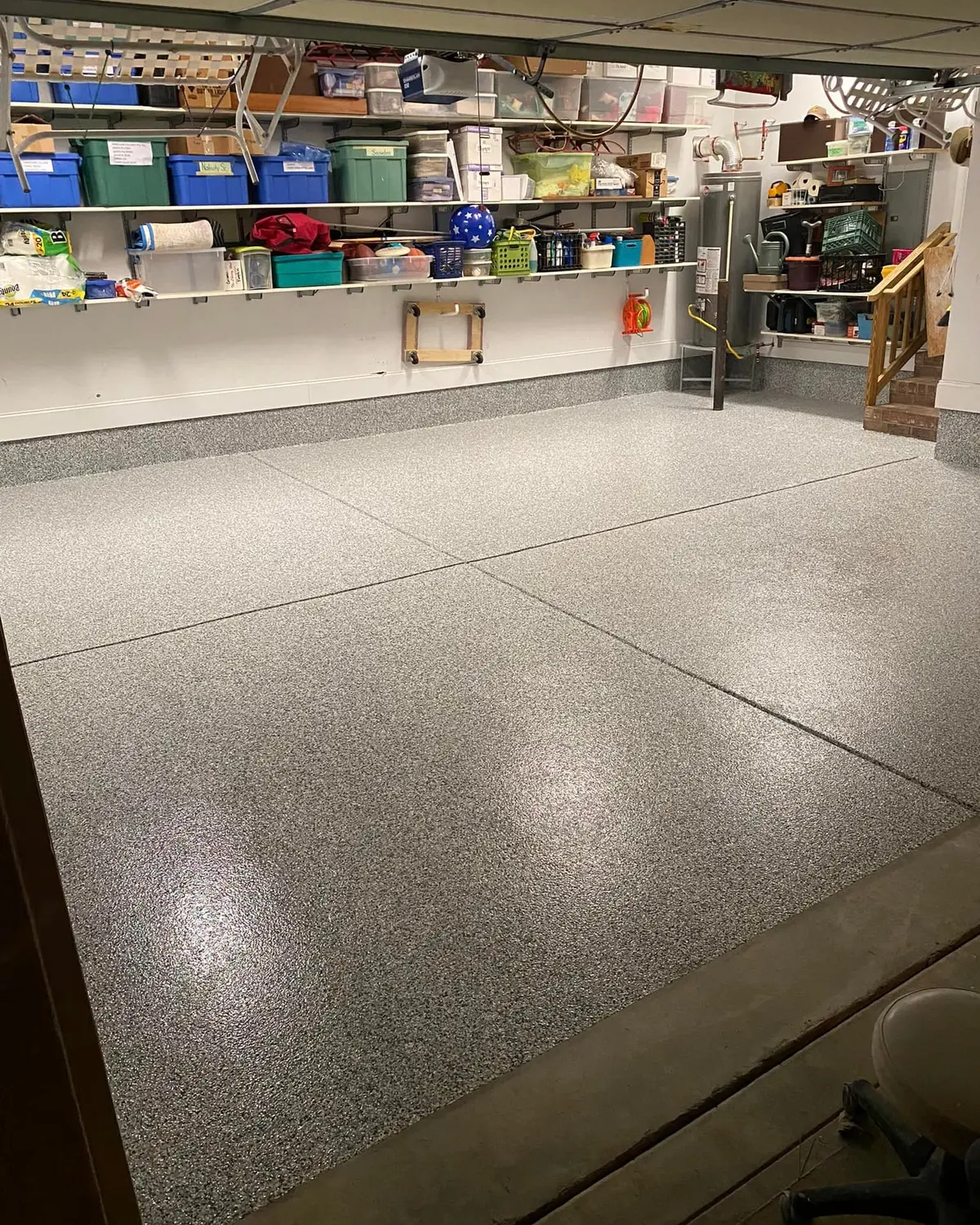
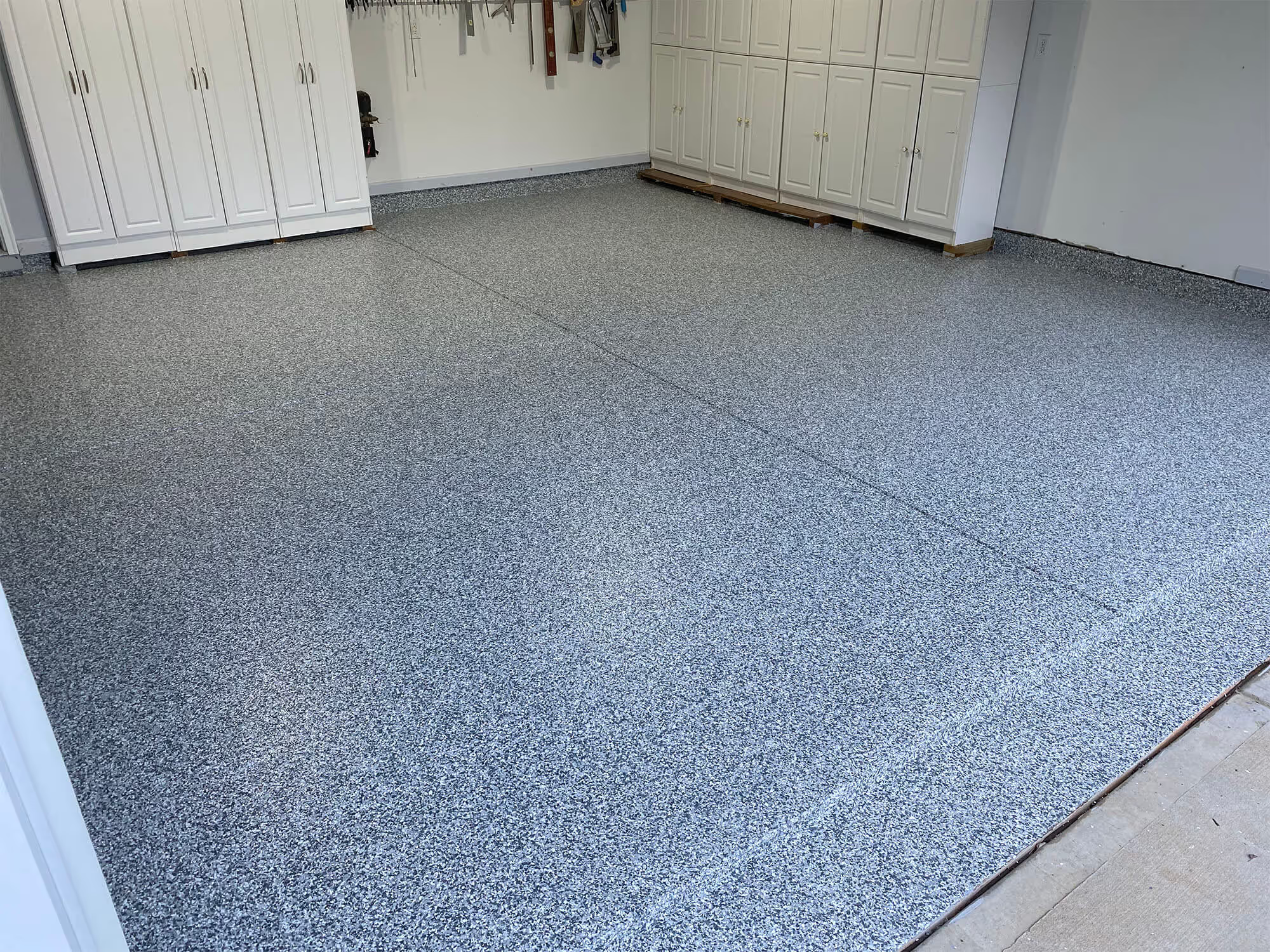
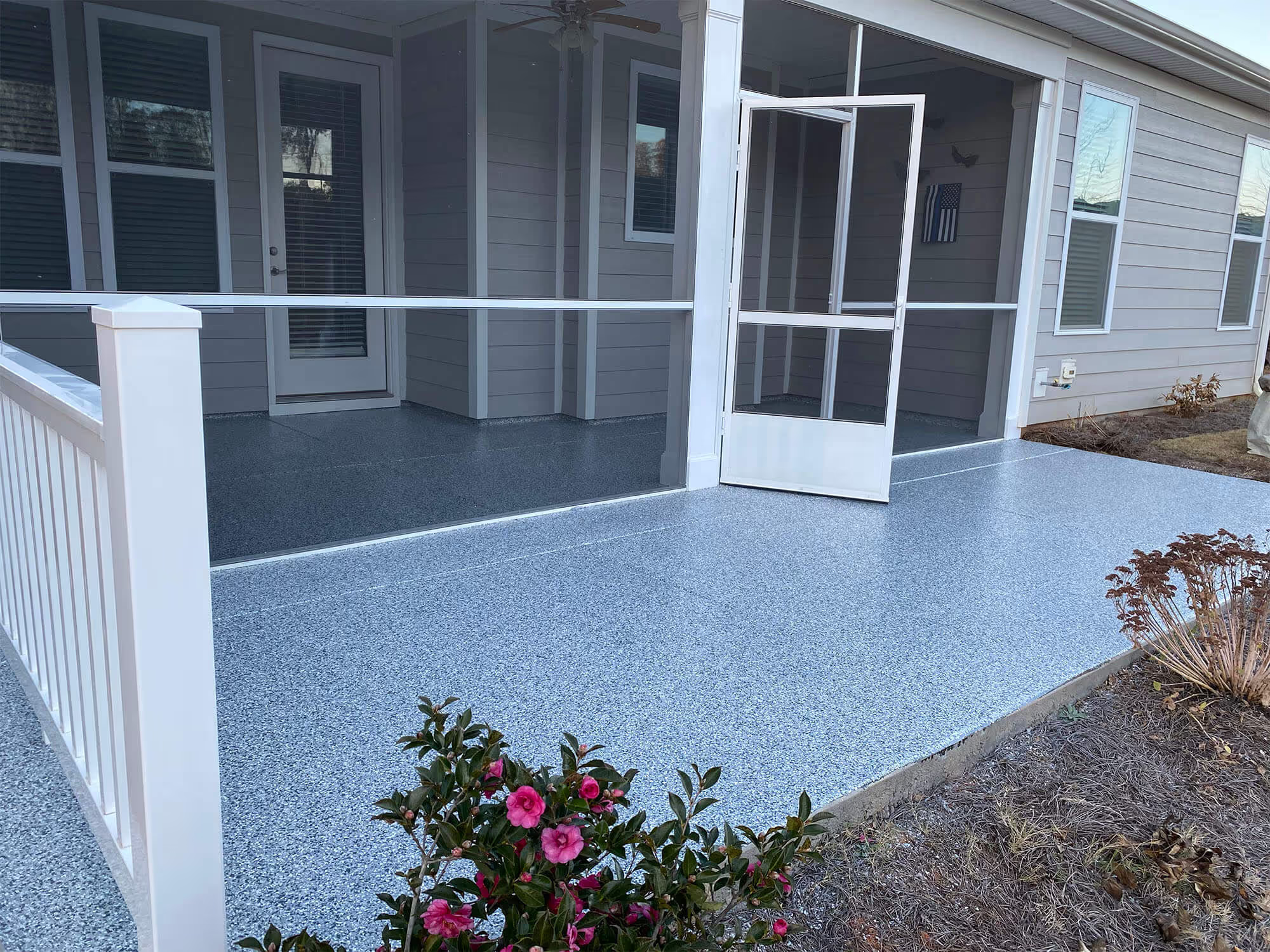
Titan Garage Floors offers garage floor coatings and epoxy flooring systems that can provide a durable finished surface for homeowners planning a garage gym. On the garage service specifically, the documented system includes:
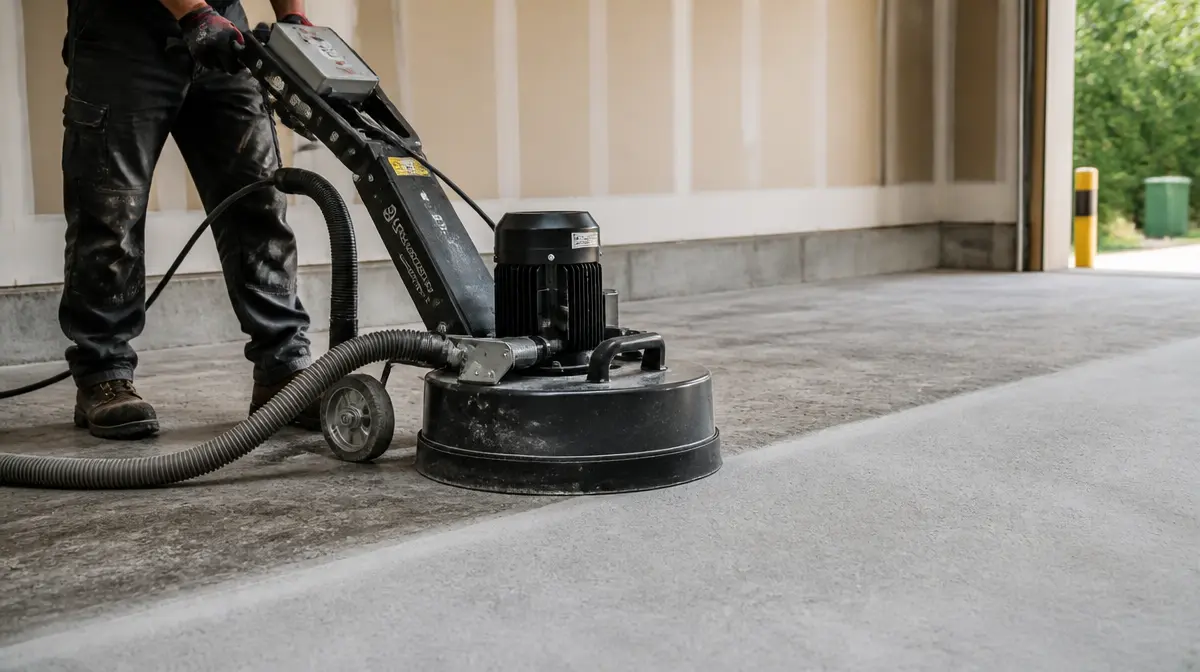
- Vacuum-attached diamond grinding to profile the existing concrete
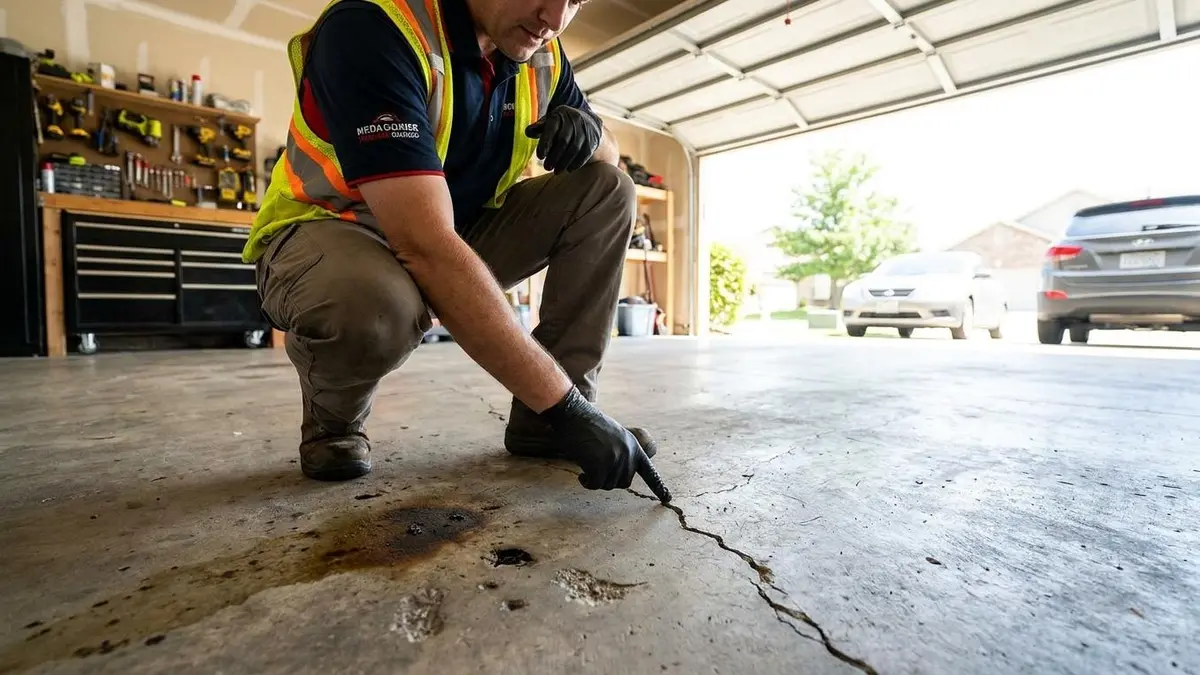
- Repair of cracks, divots, and holes before coating begins
- A 100% solids epoxy base coat
- A full broadcast of 1/4-inch decorative flakes
- A UV-stable polyaspartic topcoat for durability and color retention
The flake size refers to the decorative chip dimension, not the overall thickness of the finished floor. This base system is designed to resist stains, hot tire pickup, and everyday abrasion, which matters once you start adding gym equipment and foot traffic to the space.
Coating Protection and Workout Cushioning Are Different Jobs
A durable coating is built to resist chemicals, abrasion, and vehicle traffic. It is not designed to absorb the impact of dropped weights or provide the underfoot cushioning that dedicated fitness flooring provides. Specialty rubber gym flooring products exist specifically to manage sound and impact absorption, which is a separate function from what a concrete coating is engineered to do. Treating a coated floor as sufficient protection on its own for heavy weightlifting or high-impact training can lead to scratches, gouges, or other surface damage under repeated stress.
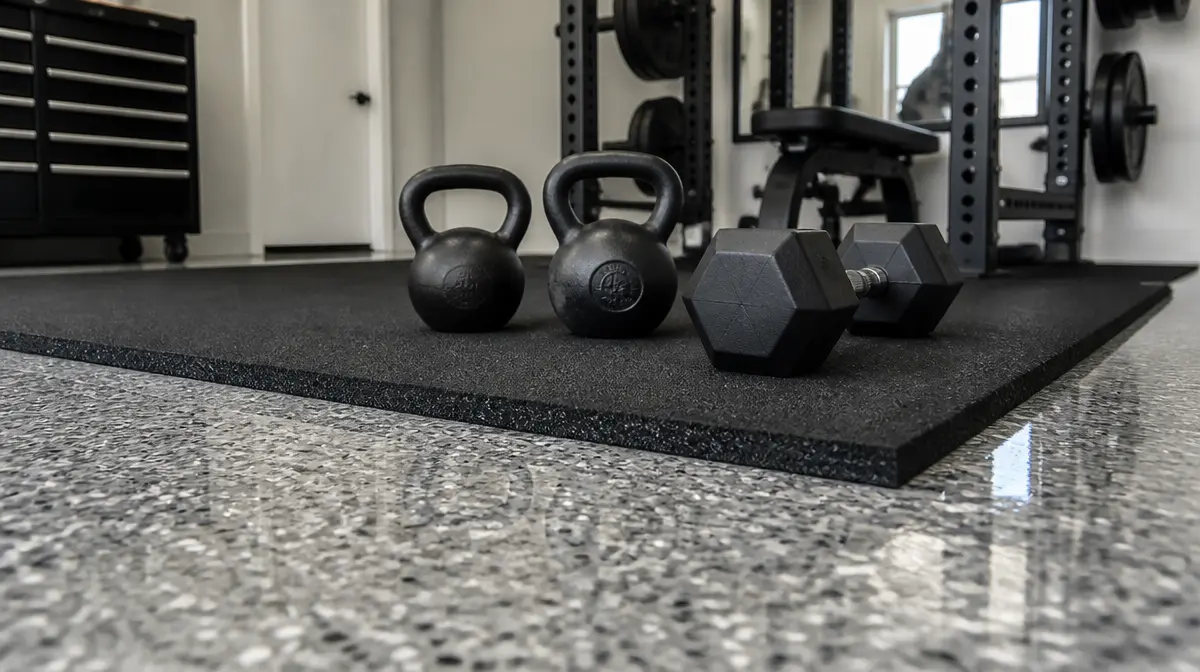
If your gym plans include dropped weights, sleds, or heavy racks, plan for a layer of compatible, purpose-built fitness flooring on top of the coating rather than expecting the coating alone to absorb that kind of impact.
Choosing Mats That Work With Your Coating
Not every gym mat is compatible with every coating system. As one example, some polyaspartic coating manufacturers specifically prohibit rubber-backed mats on their finishes, because trapped moisture and condensation underneath the mat can cause mineral deposits and discoloration over time (Flexmar Coatings Care, Cleaning, and Maintenance Guidelines). This kind of restriction is product-specific, so there is no single mat type or thickness that works safely on every coated floor. Before covering any large section of your garage floor with mats, confirm compatibility for the specific coating system installed rather than assuming all mats are safe to use long-term.
Slab Moisture, Cure Time, and When to Move Equipment In
Excess moisture in a concrete slab can contribute to coating bond failure, which is why moisture conditions should be evaluated before a non-breathable coating goes down (NRMCA, CIP 28: Concrete Slab Moisture). If you are planning a gym conversion, this is a detail worth raising during the estimate rather than after the floor is already coated. For homeowners planning ahead, our guide on preparing your garage for an epoxy floor installation covers what to clear out and address before installation day.
It is also worth knowing that finishing an installation and reaching full cure are two different milestones. Coating resistance to chemicals, stains, and abrasion continues to develop during the cure period after the floor looks finished (Sika Maintenance Guide). That means the safe timing for walking on the floor, placing equipment, and laying down mats can differ, so it is worth confirming each of those milestones separately rather than assuming one waiting period covers everything. Once equipment does go in, dragging heavy items across the surface is worth avoiding, since grit caught underneath can scratch or gouge the coating under repeated traffic (Sika Maintenance Guide).
Traction and What the Warranty Covers
Traction on a coated floor depends on the surface profile, footwear, and how clean the floor is kept, not on a single slip-resistance number. We go into this in more detail in Is Epoxy Flooring Slippery? Safety Tips for Homeowners, which is worth a look if traction during workouts is a concern.
Titan Garage Floors backs its garage floor coatings with a 15-year written warranty that includes materials and labor, subject to the applicable warranty terms. Homeowners should confirm which specific coating failures are covered, including peeling, delamination, hot tire pickup, yellowing, and chemical damage. It is also a good idea to ask directly about how gym-specific scenarios, like dropped-weight damage or mat-related discoloration, are handled rather than assuming they fall under standard coverage.
Planning a Garage Gym Floor in the Charlotte Metro Area
Titan Garage Floors serves homeowners throughout the Charlotte Metro area, including Charlotte, Concord, Huntersville, Mooresville, Matthews, Fort Mill, and Rock Hill. If you are planning a garage gym and want to talk through coating options, mat compatibility, and timing for your specific space, call (910) 852-9266 to set up a free estimate. Whether you are in Charlotte proper or one of the surrounding communities, we can walk through what your garage floor needs before equipment moves in.