How To Clean Your Epoxy Garage Floor the Right Way
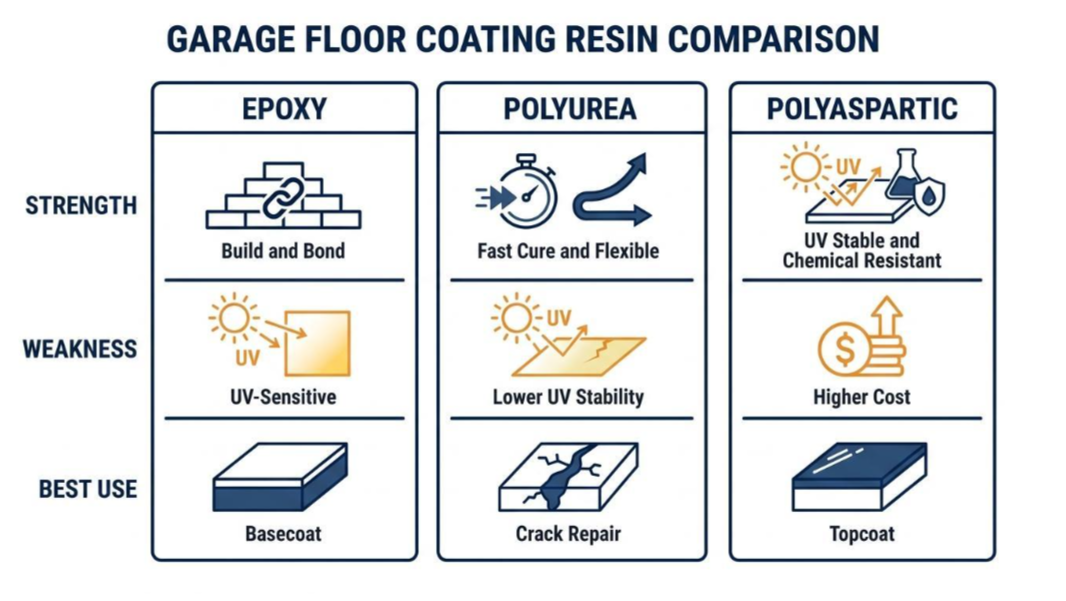
Cleaning an epoxy garage floor takes warm water, a soft-bristle broom or microfiber mop, and a pH-neutral cleaner for tough stains. Harsh chemicals, abrasive scrubbers, and pressure washers damage the polyaspartic topcoat and shorten the floor's lifespan.
After years of follow-up visits across the Charlotte metro, one pattern stands out: floors that still look new at year three are cleaned with the simplest routine, not the most aggressive products. Most coating damage we've repaired started with a homeowner reaching for a degreaser never designed for coated concrete. Titan Garage Floors shares the right cleaning routine below.
Weekly Cleaning That Protects the Finish
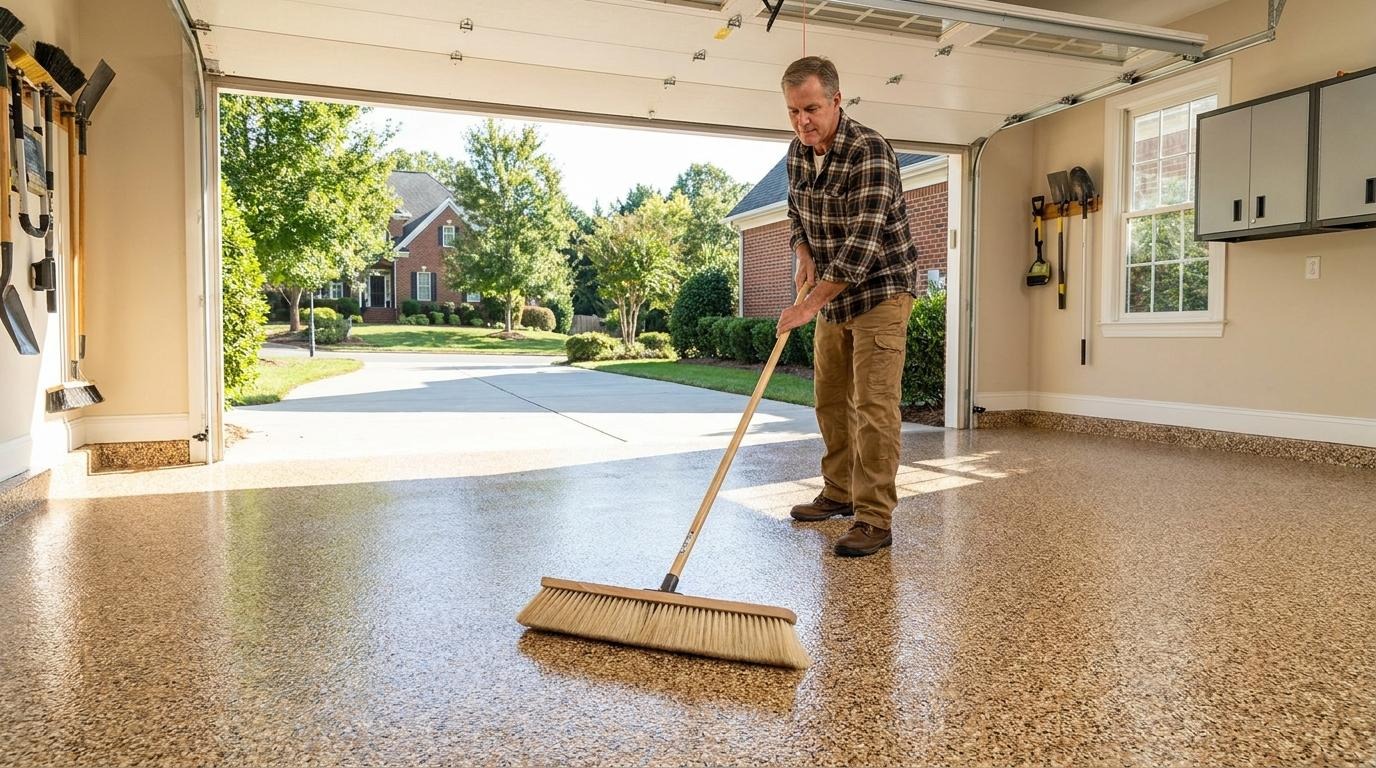
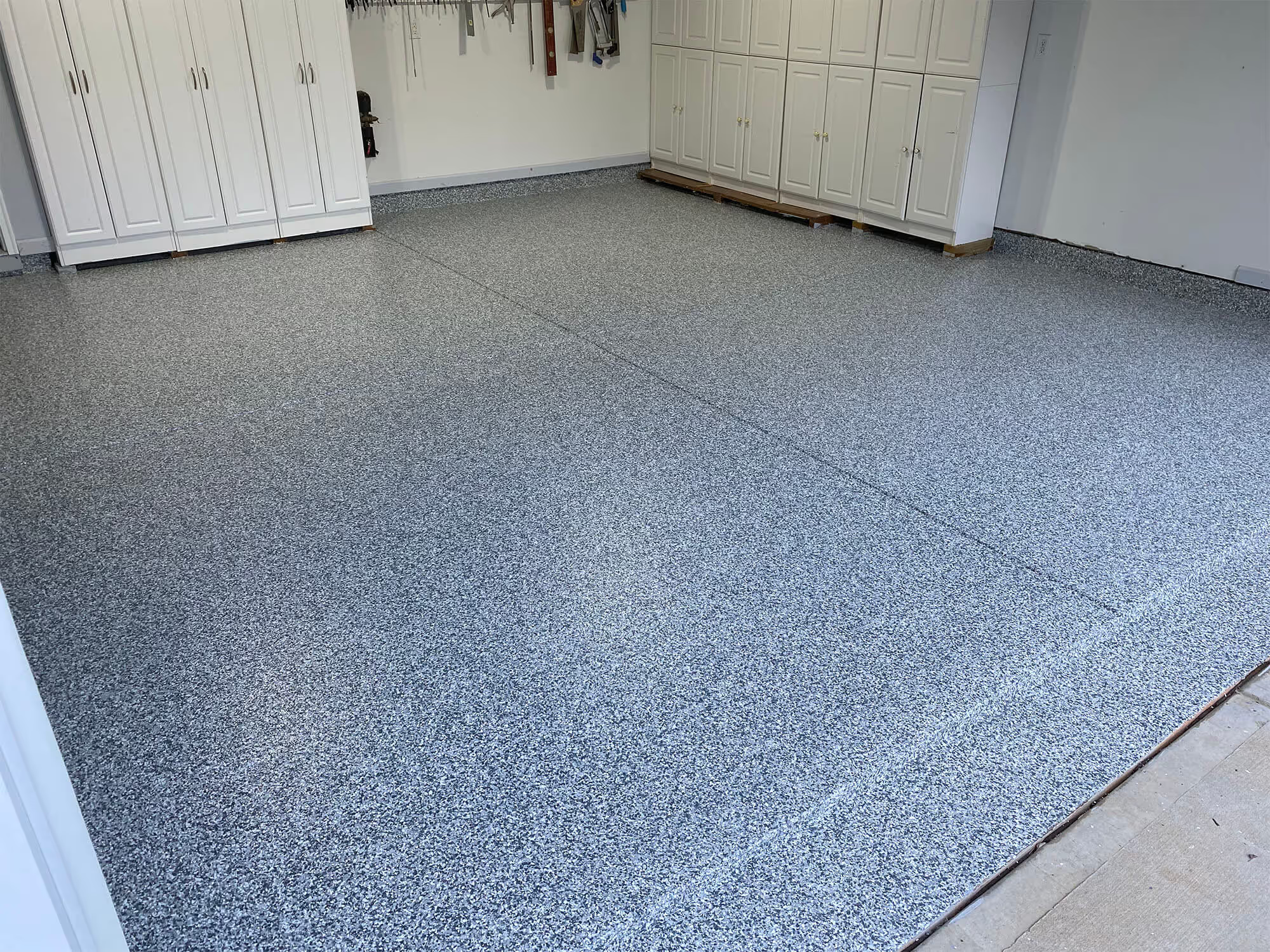
A weekly sweep with a soft-bristle broom or dust mop removes grit, sand, and debris that scratch the topcoat over time. Charlotte's pollen season from March through May makes this step more important than usual. Fine pollen tracked in on shoes and tires acts like sandpaper under foot traffic if it sits on an epoxy flake floor for days.
After sweeping, mop with warm water and a few drops of dish soap or a pH-neutral floor cleaner. Wring the mop well. Standing water isn't harmful to epoxy, but it leaves streaks on high-gloss finishes. This 10-minute weekly routine is enough to keep most floors looking sharp between deeper cleanings.
Avoid dragging heavy toolboxes or equipment across the surface. Even durable polyaspartic finishes can scratch under concentrated weight. Use rubber-wheeled carts or floor mats under workbenches to protect high-traffic zones.
How To Handle Oil, Grease, and Stubborn Stains

Oil drips from vehicles and grease from lawn equipment are the most common stains on Charlotte garage floors. The key is timing—fresh spills wipe up with a paper towel and warm soapy water before they set. For dried oil or tire marks, apply a pH-neutral degreaser directly to the stain and let it sit for five minutes before scrubbing gently with a nylon-bristle brush. Rinse with clean water. For more on maintaining your floor's appearance long-term, see our guide on keeping your Charlotte epoxy floor looking new.
Products and tools to avoid on your epoxy floor:
- Citrus-based cleaners: acidic formulas dull the gloss finish over time
- Vinegar or ammonia-based products: these break down the polyaspartic urethane topcoat
- Steel wool or abrasive pads: they scratch the topcoat permanently
- Pressure washers above 1,500 PSI: high pressure can force water under coating edges
Seasonal Deep Cleaning for Charlotte Garages
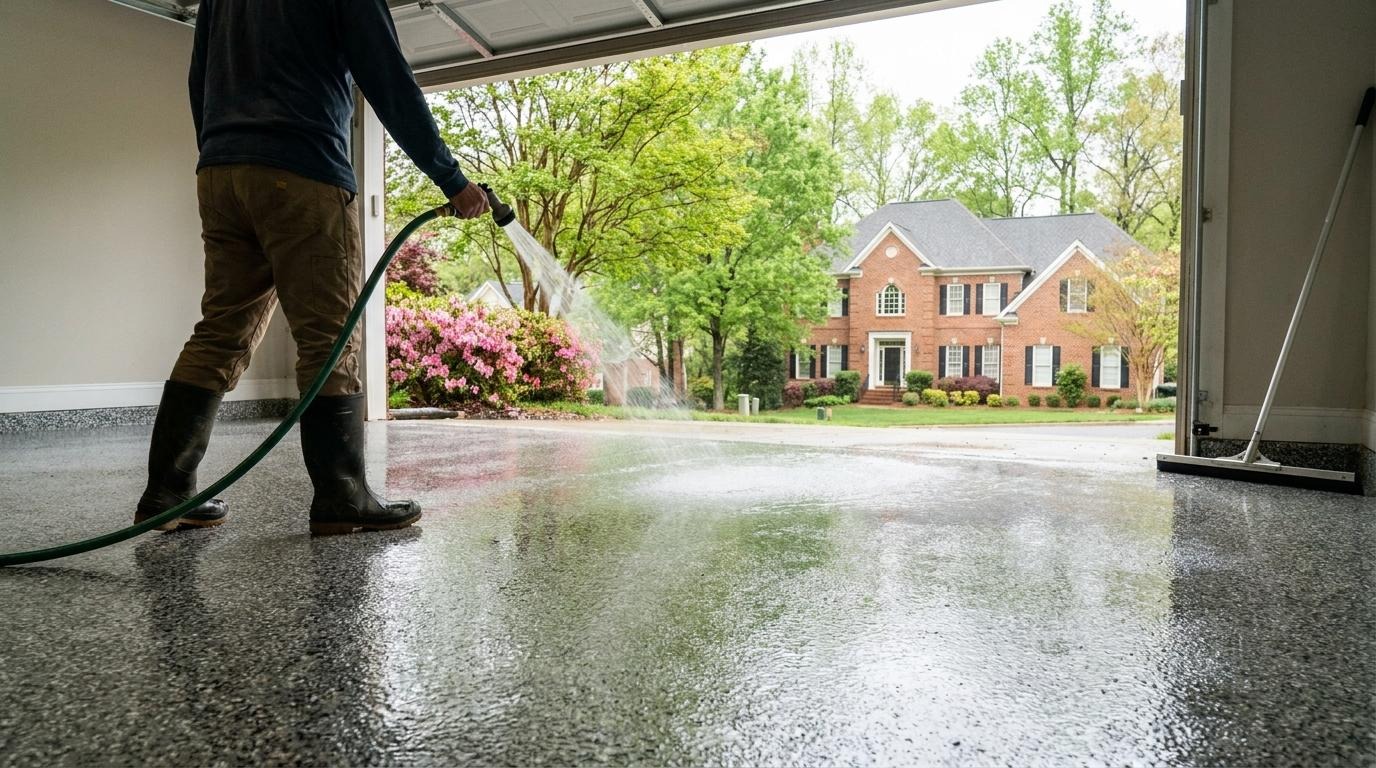
Twice a year, once after pollen season ends in late May and once before winter, a deeper clean helps maintain the coating's full protection. Use a garden hose or low-pressure rinse to flush out accumulated grit, then mop with a diluted pH-neutral cleaner.
Pay extra attention to the garage door threshold, where road salt, de-icers, and mud collect during Charlotte's occasional ice events. Salt left on the topcoat won't damage a properly sealed floor, but it dries into a white film that's harder to remove the longer it sits.
If you're noticing your floor's shine starting to dull, it's usually surface contamination rather than coating failure. A thorough cleaning restores the gloss in most cases. Homeowners across Mooresville and the Lake Norman area report the same pattern after a heavy pollen spring. Understanding the full benefits of your epoxy floor helps you recognize what's normal wear versus what needs attention.
Frequently Asked Questions
Are epoxy garage floors high maintenance?
No. Professionally installed epoxy floors are one of the lowest-maintenance garage flooring options available. A weekly sweep and occasional mop with warm soapy water keeps the surface clean and protected. Titan Garage Floors' polyaspartic urethane topcoat resists stains, chemicals, and UV damage, which reduces the need for specialized cleaning products.
Can you use a pressure washer on an epoxy garage floor?
Use caution. A garden hose or low-pressure rinse below 1,500 PSI is safe for routine flushing. Higher-pressure settings can force water beneath the coating's edges and cause lifting, especially around expansion joints or garage door thresholds. A mop handles most cleaning jobs better than a pressure washer.
What cleaners should you avoid on epoxy floors?
Avoid citrus-based degreasers, vinegar, ammonia, and any cleaner with a pH below 5 or above 10. These products degrade the polyaspartic urethane topcoat over time, dulling the gloss and weakening chemical resistance. Stick with pH-neutral floor cleaners or simple dish soap diluted in warm water for best results.
Keep Your Epoxy Floor Looking Like Day One
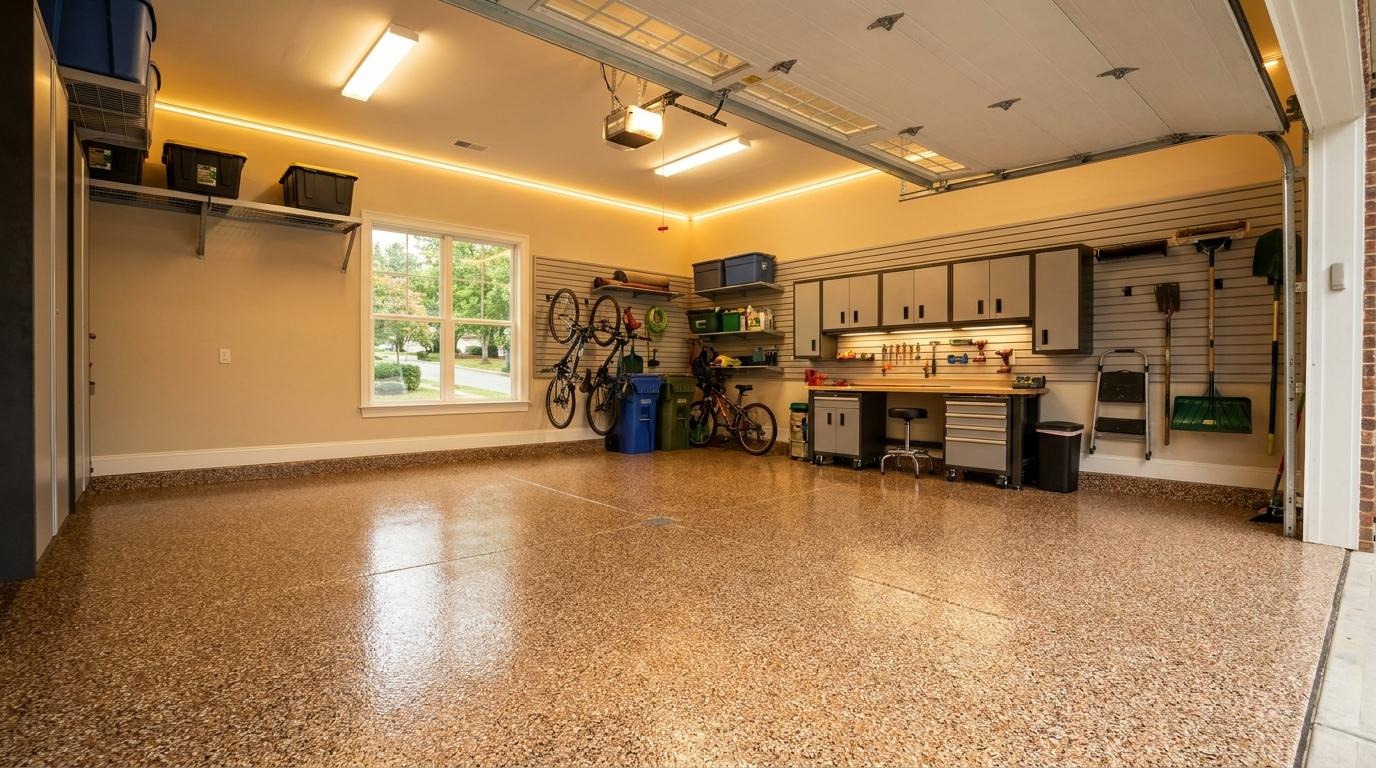
The right cleaning routine is simple: sweep weekly, mop with mild soap, and avoid harsh chemicals that attack the topcoat. Charlotte's pollen, humidity, and occasional road salt add some seasonal maintenance, but a properly installed epoxy floor handles all of them without specialized care.
Contact Titan Garage Floors for a free estimate on a garage floor coating that's built for Charlotte's conditions and easy to maintain for years. Call (910) 852 9266 today.