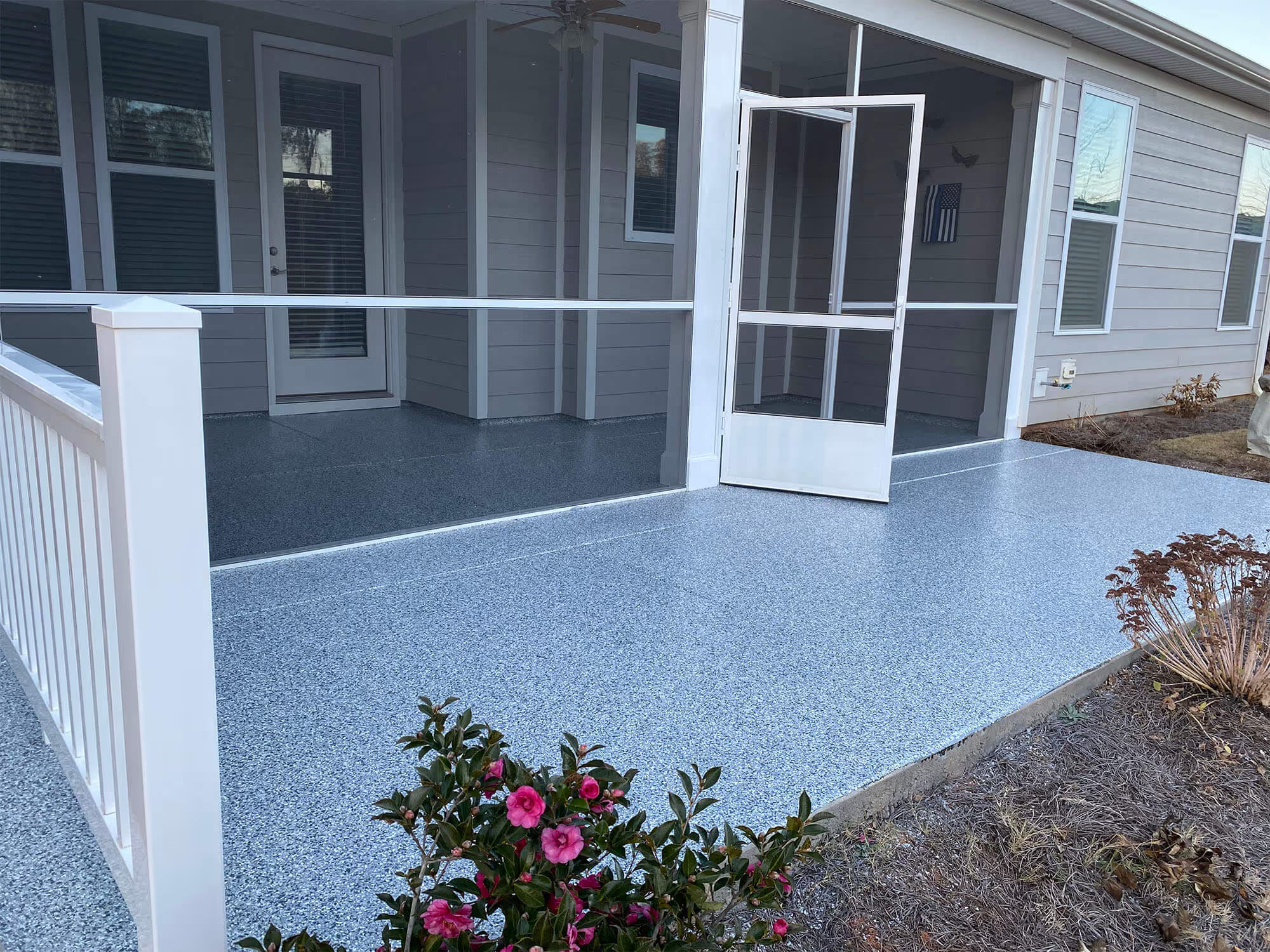
Managing Humidity for a Long-Lasting Epoxy Garage Floor
Epoxy garage floor humidity problems occur when moisture vapor in concrete prevents proper coating adhesion. In Charlotte's subtropical climate, garage slabs absorb ambient moisture year-round, making professional moisture testing and diamond grinding essential before any coating is applied.
Between April and September, Charlotte's relative humidity regularly exceeds 70%, and that moisture saturates the concrete beneath your garage slab. Timing your floor coating project around these conditions can mean the difference between a floor that lasts over a decade and premature coating failure. Titan Garage Floors has been helping Charlotte homeowners navigate that timing since 2019.
How Charlotte's Humidity Damages Garage Floor Coatings

Concrete is porous, and in the Charlotte area, ambient humidity combined with ground moisture creates ongoing vapor pressure beneath garage slabs. When that moisture migrates upward through the slab (a process called moisture vapor transmission), it pushes against whatever coating sits on the surface.
If the coating wasn't applied to properly prepared concrete, that vapor pressure often creates bubbles, soft spots, and eventually full delamination. Homeowners in neighborhoods like Huntersville and Indian Trail often see this damage within six to twelve months of a DIY kit application.
Charlotte's clay-heavy soil holds water longer than sandy soil, which means garage slabs in this region absorb more ground moisture even during dry weeks. The issue isn't the humidity itself, but whether the concrete was profiled and tested before the epoxy went down.
Why Diamond Grinding Prevents Moisture-Related Failures
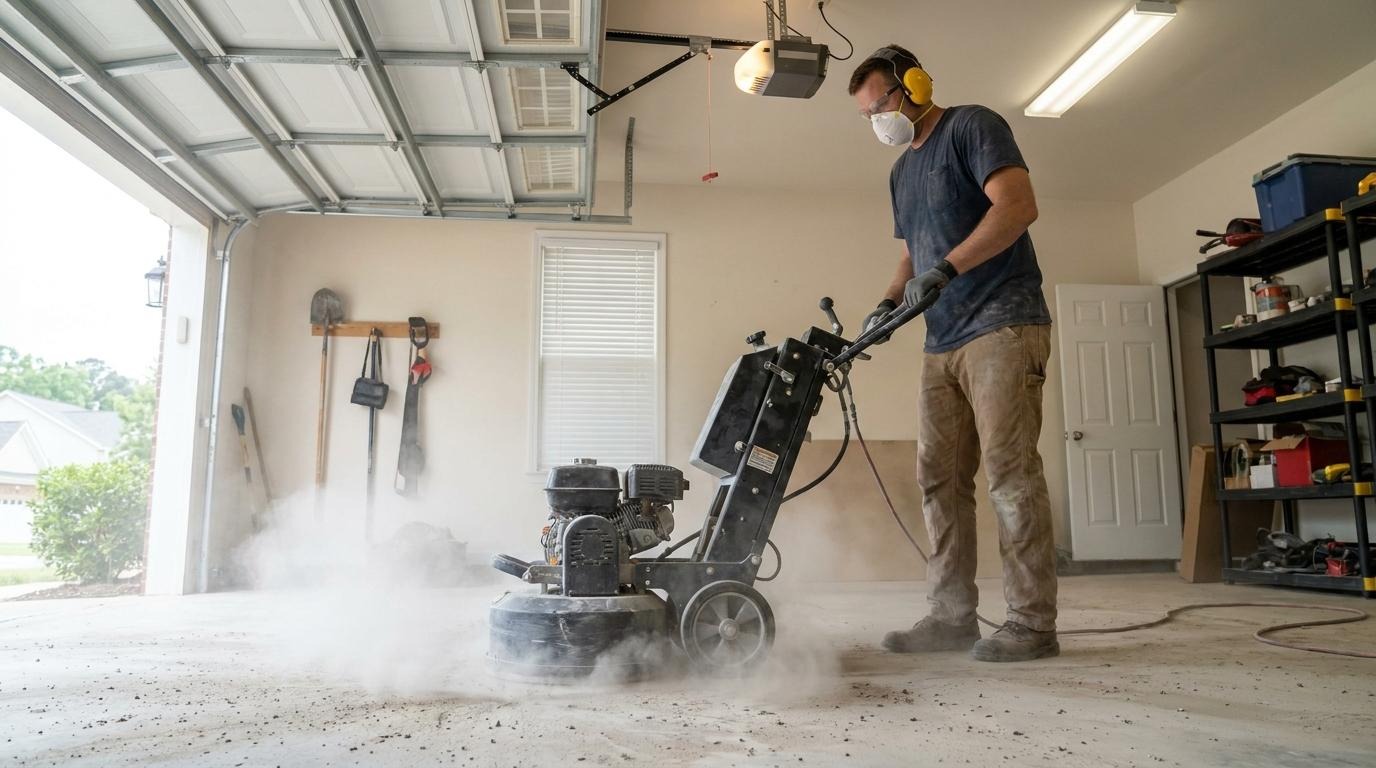
Diamond grinding removes surface contaminants like oil, paint, and old sealers while opening the concrete's pore structure so epoxy bonds mechanically into the slab. This mechanical bond is what holds a garage floor coating in place when moisture vapor pushes upward.
Store-bought kits recommend acid etching, which cleans the surface without creating enough profile depth for long-term adhesion. In Charlotte's humidity, that shortcut leads to peeling within a year or two.
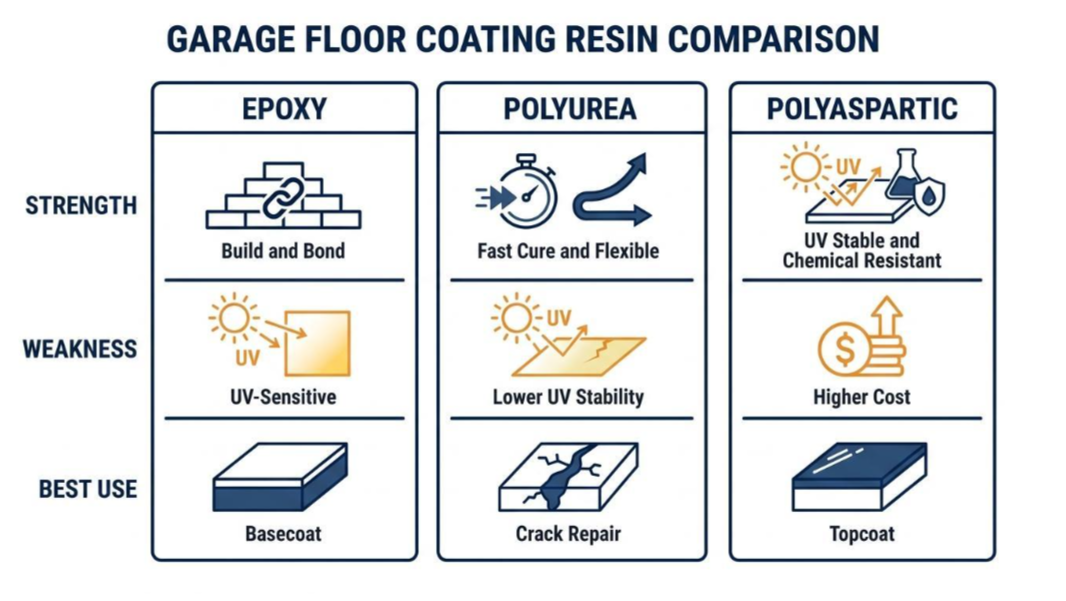
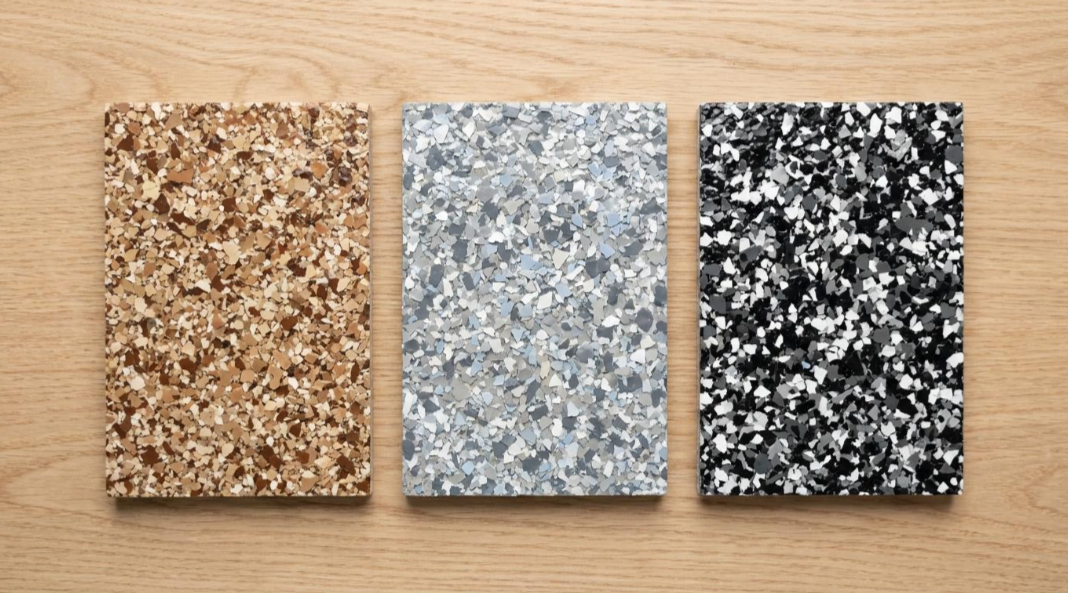
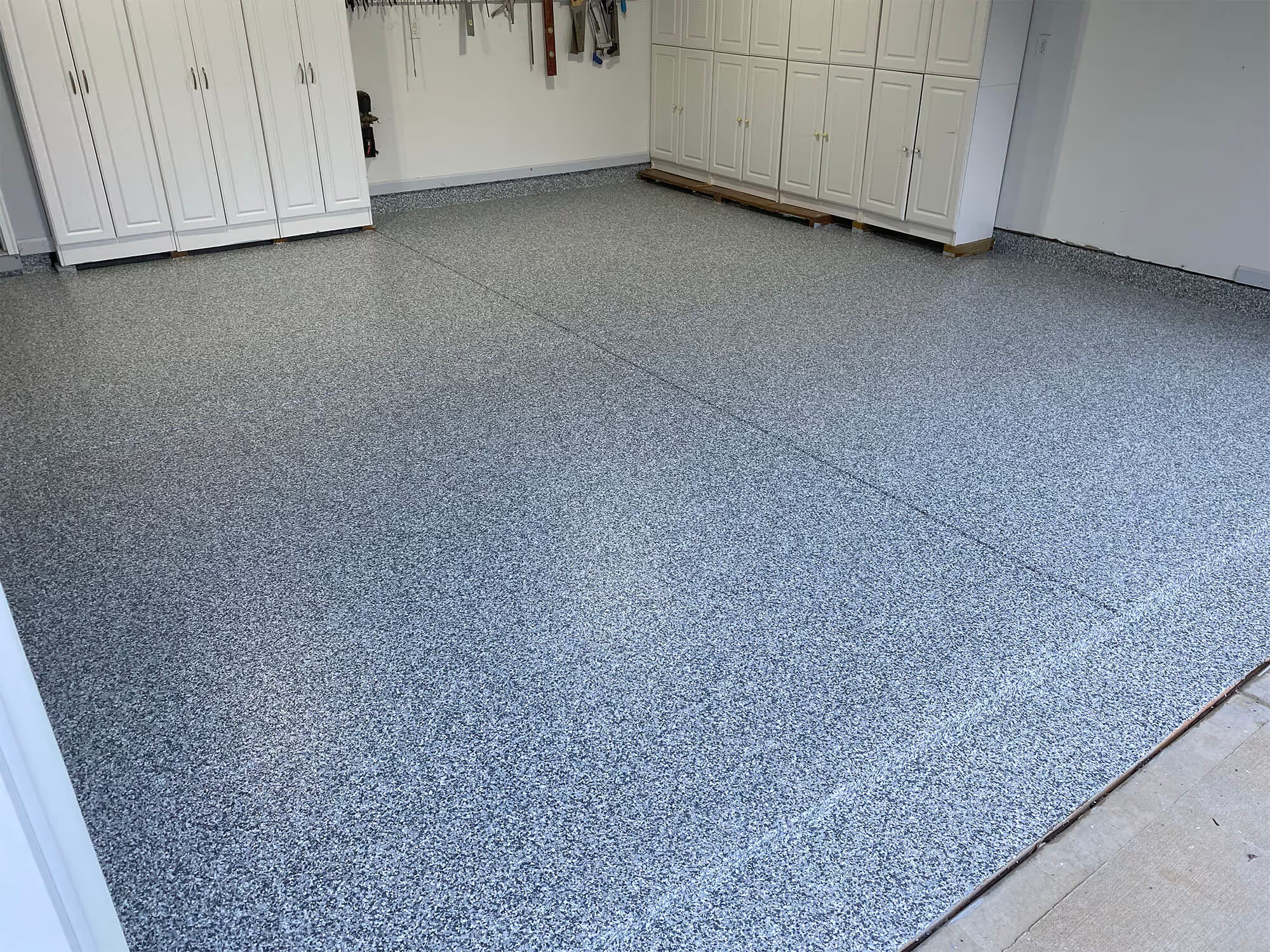
A properly ground surface allows the primer coat to penetrate deeper, creating a moisture barrier that works with the concrete rather than sitting on top of it. Each layer in Titan's 4-layer epoxy flake system—primer, basecoat, vinyl flake broadcast, and polyaspartic urethane topcoat, builds on this foundation, sealing the slab against normal vapor transmission.
Signs Your Garage Floor Has a Moisture Problem
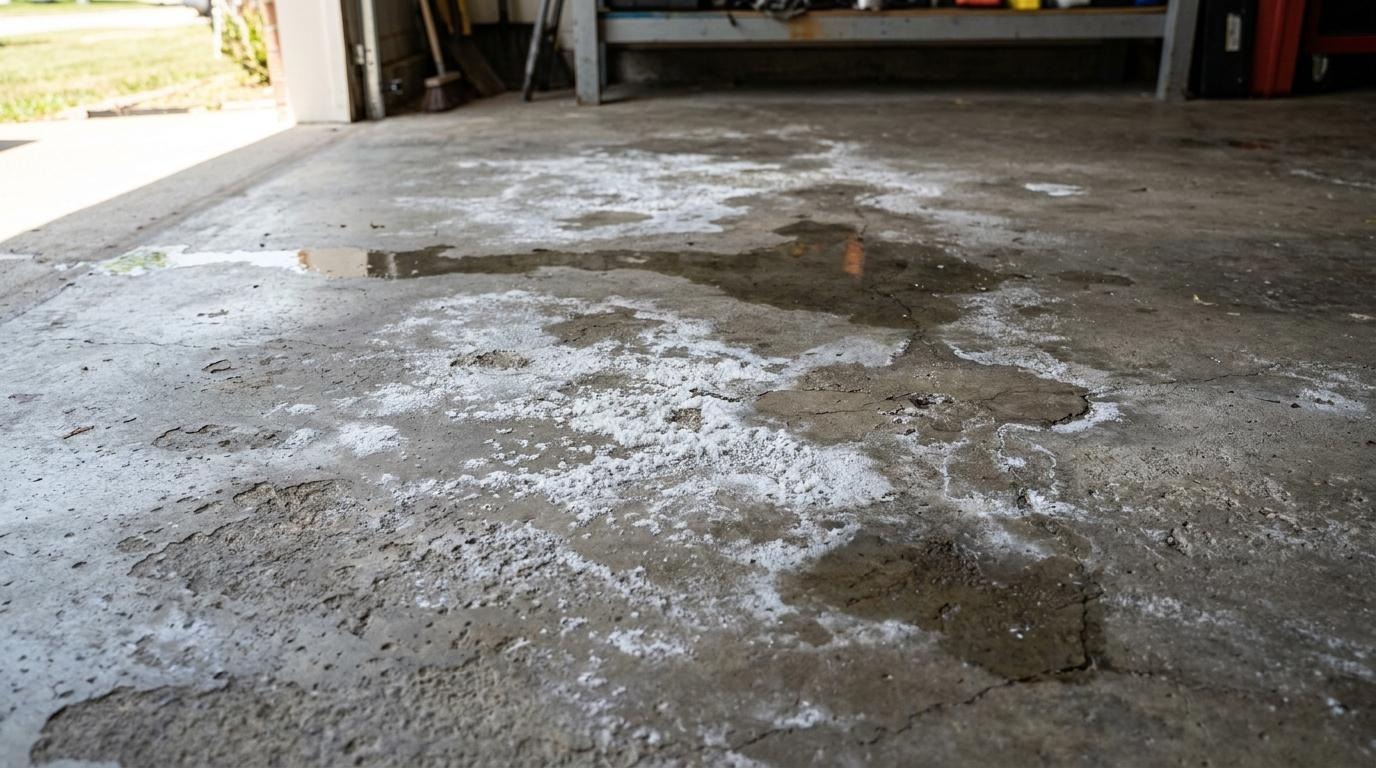
Not every moisture issue is visible before coating. But a few warning signs suggest your slab needs professional testing before any epoxy application:
- White, powdery residue on bare concrete (efflorescence): mineral deposits left behind when moisture evaporates through the slab
- Damp or dark patches that appear and disappear with weather changes
- Existing coatings that bubble, peel, or lift at the edges
- A musty smell in the garage, especially during Charlotte's humid summer months
Professional installers use calcium chloride tests or electronic moisture meters to measure vapor emission rates before starting. If your slab exceeds 3 lbs per 1,000 sq ft over 24 hours, a standard epoxy system needs additional moisture mitigation before application.
Titan Garage Floors tests every slab in the Lake Norman area and greater Charlotte metro before grinding or coating . That upfront assessment is what protects your investment long after installation day.
Frequently Asked Questions
Can you install epoxy on a garage floor during humid months?
Yes, but the concrete must be tested for moisture vapor emission before application. Professional installers use climate-controlled techniques and moisture meters to ensure proper bonding conditions regardless of season. Titan Garage Floors installs year-round in Charlotte by managing slab moisture levels before every project. The key is surface prep, not avoiding summer entirely.
How do you test a concrete garage floor for moisture?
The two most common methods are calcium chloride tests, which measure vapor emission over 24 hours, and electronic moisture meters that give instant readings. Both identify whether a concrete slab's moisture level is safe for epoxy application. Professional testing catches problems that visual inspections miss.
Will epoxy flooring prevent moisture from coming through the concrete?
A professionally installed epoxy system creates a non-porous barrier that resists surface moisture and chemical spills. However, severe moisture vapor transmission from beneath the slab requires addressing the source, not just sealing the top. Diamond grinding and proper primers help manage normal moisture levels common in Charlotte-area garages.
Protect Your Floor Investment From Charlotte's Humidity
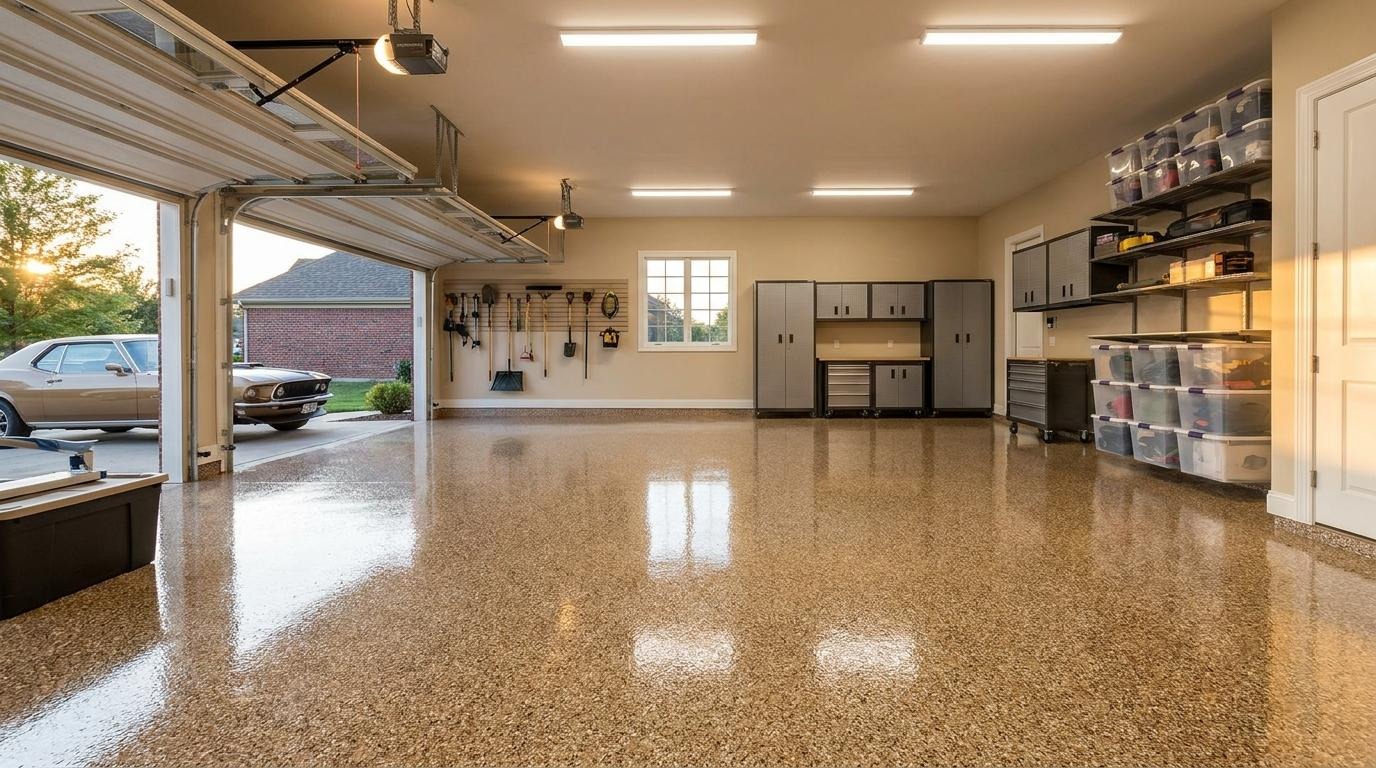
Charlotte's humidity doesn't have to shorten your garage floor's lifespan. The deciding factor is what happens before the epoxy goes down—moisture testing, diamond grinding, and proper priming separate floors that last from floors that fail. A coating applied over untested concrete is a gamble, regardless of how good the product is.
Contact Titan Garage Floors for a free estimate and professional moisture assessment for your Charlotte-area garage. Call (910) 852 9266 today.