Epoxy vs Polyurea vs Polyaspartic: Which Floor Coating Wins?
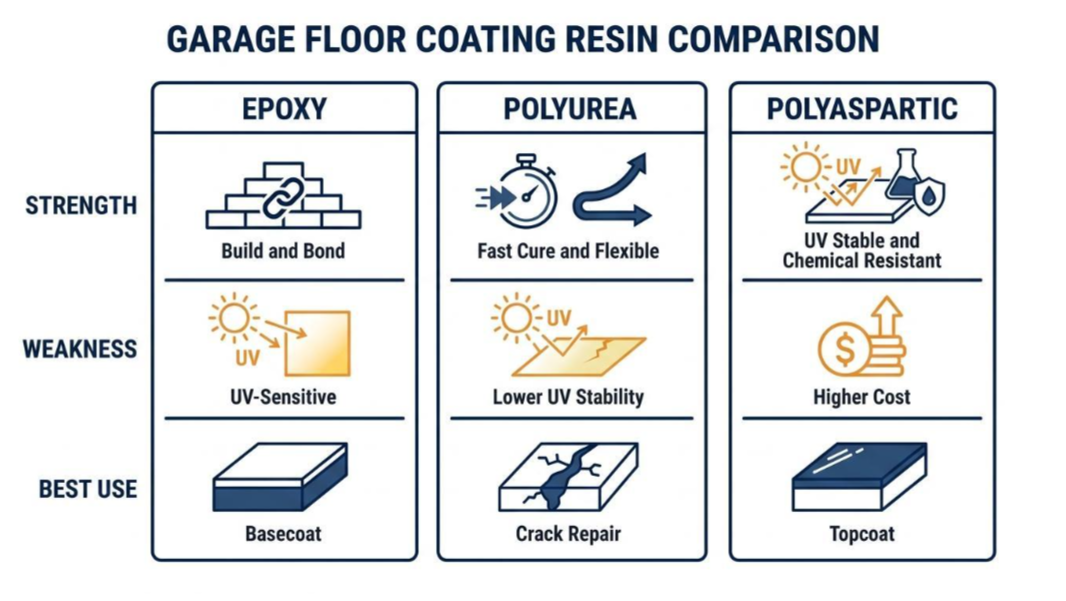
Epoxy vs polyurea vs polyaspartic comes down to where each resin earns its keep in a coating system. Epoxy provides the build, color stability, and bond to the basecoat. Polyurea adds flexibility and fast curing. Polyaspartic (a polyurea chemistry variant) adds UV stability and chemical resistance for the topcoat. Titan Garage Floors uses a hybrid epoxy and polyaspartic system that combines the strengths of the two.
Charlotte's UV index regularly hits 9 or 10 from late May through September, summer humidity stays above 70% for months, and garage temperatures often run 15 to 20°F above outdoor air thanks to hot tires and limited ventilation. Those three conditions eliminate certain coating chemistries before the conversation even starts. A pure aromatic-urethane topcoat yellows. A single-coat polyurea applied without proper prep delaminates in humid garages. The four-layer epoxy flake floor system Titan installs accounts for all three. Which chemistry holds up in a hot Charlotte garage, and which one fails first? Our breakdown evaluates how each resin responds to all three conditions.
The Three Resins, At a Glance
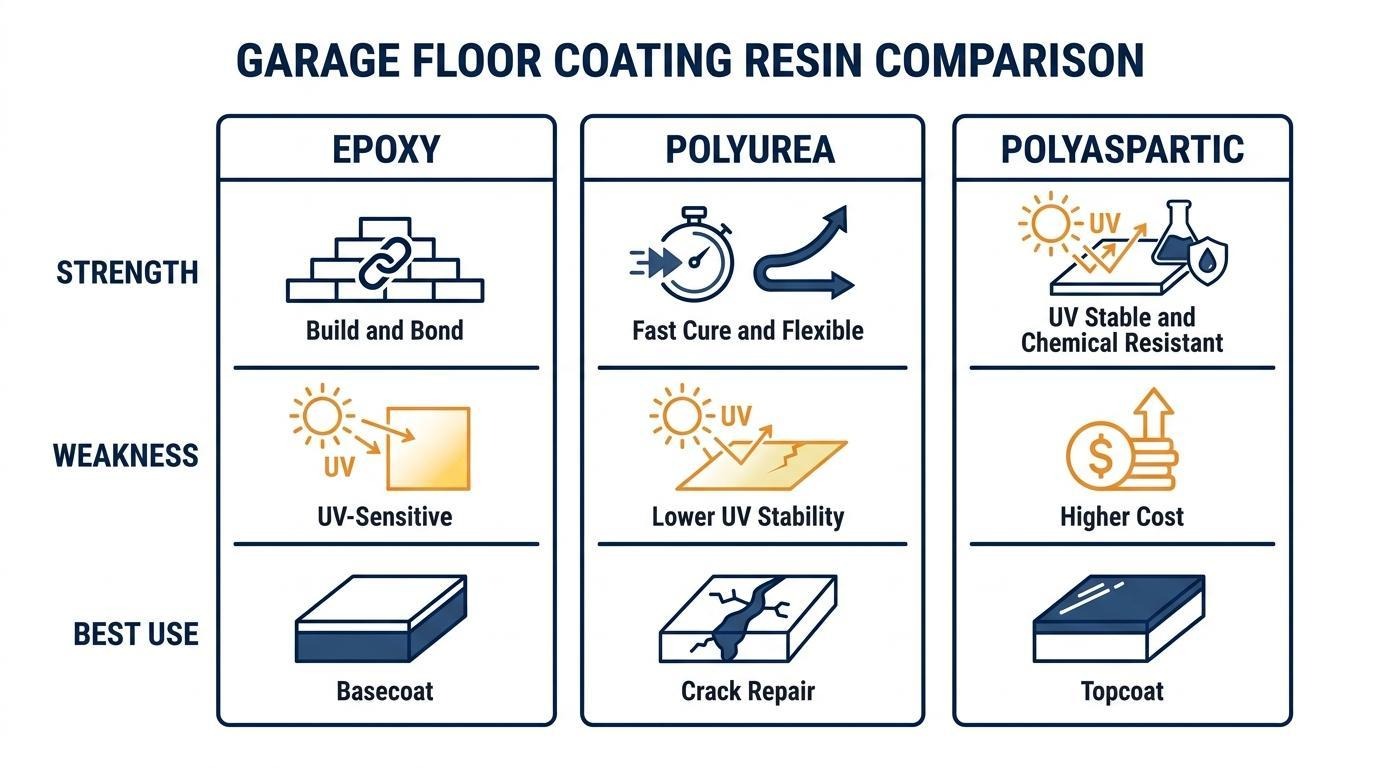
Each resin chemistry has a specific job inside a coating system. The infographic above shows where each one wins, where it loses, and what fails when a system uses only one.
No single resin handles every job a residential garage floor demands. That's why most professional installations in Charlotte combine at least two of the three.
How Each Performs Under Charlotte's Climate
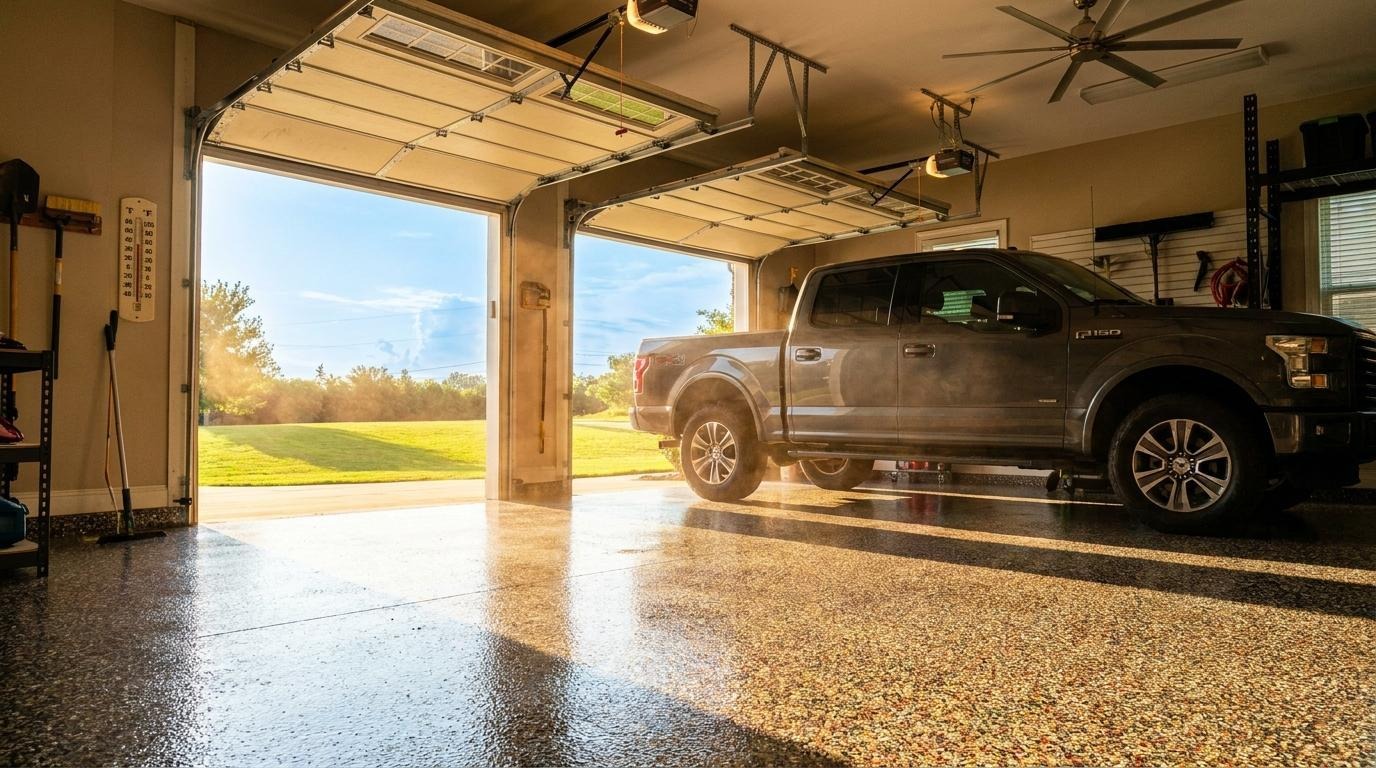
The three resins behave differently when Charlotte's actual conditions go to work on them.
Epoxy on Its Own
Pure epoxy provides the build thickness and color uniformity homeowners see. Left without a UV-stable topcoat, it can yellow under direct sun within one to three years here. It also softens at sustained temperatures above 140°F, which hot tires routinely produce after a summer drive.
Polyurea on Its Own
Aromatic polyurea cures fast and resists impact, but it isn't UV stable on its own. Polyurea installations in Charlotte typically need a top sealant for outdoor or sun-exposed concrete. Used as a crack-repair compound under the coating, polyurea excels.
Polyaspartic on Its Own
Polyaspartic urethane (an aliphatic polyurea variant) can be formulated as 100% UV stable, resists hot tire pickup, and cures in hours. A polyaspartic floor coating carries the highest material cost of the three, but used as a topcoat, it addresses the failures that bring contractors back for warranty calls.
Titan's Hybrid System: Best of Both Worlds
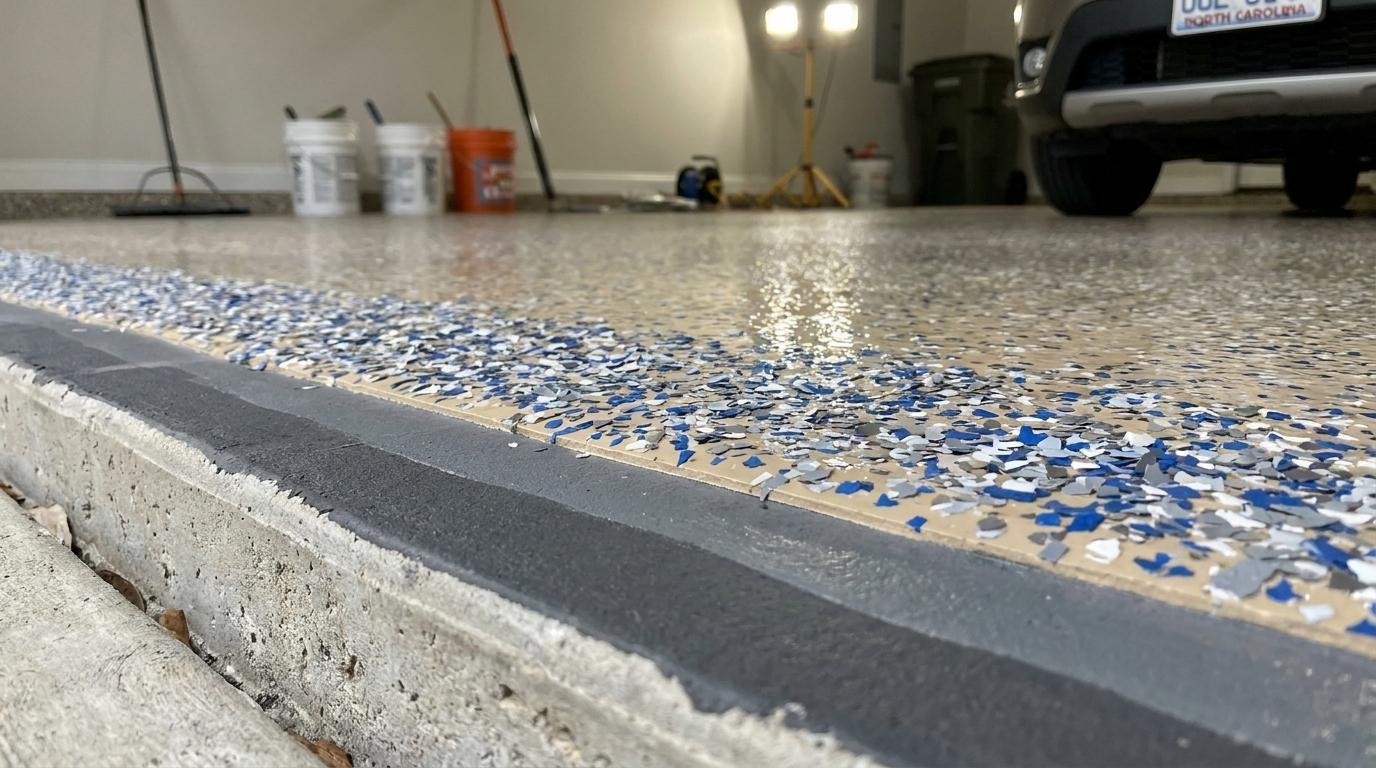
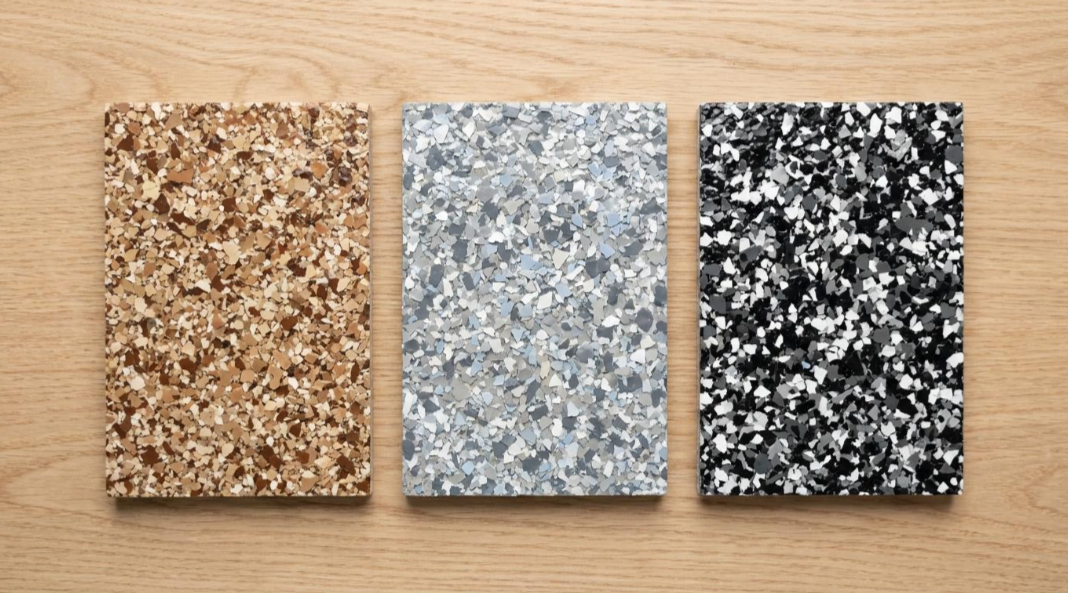
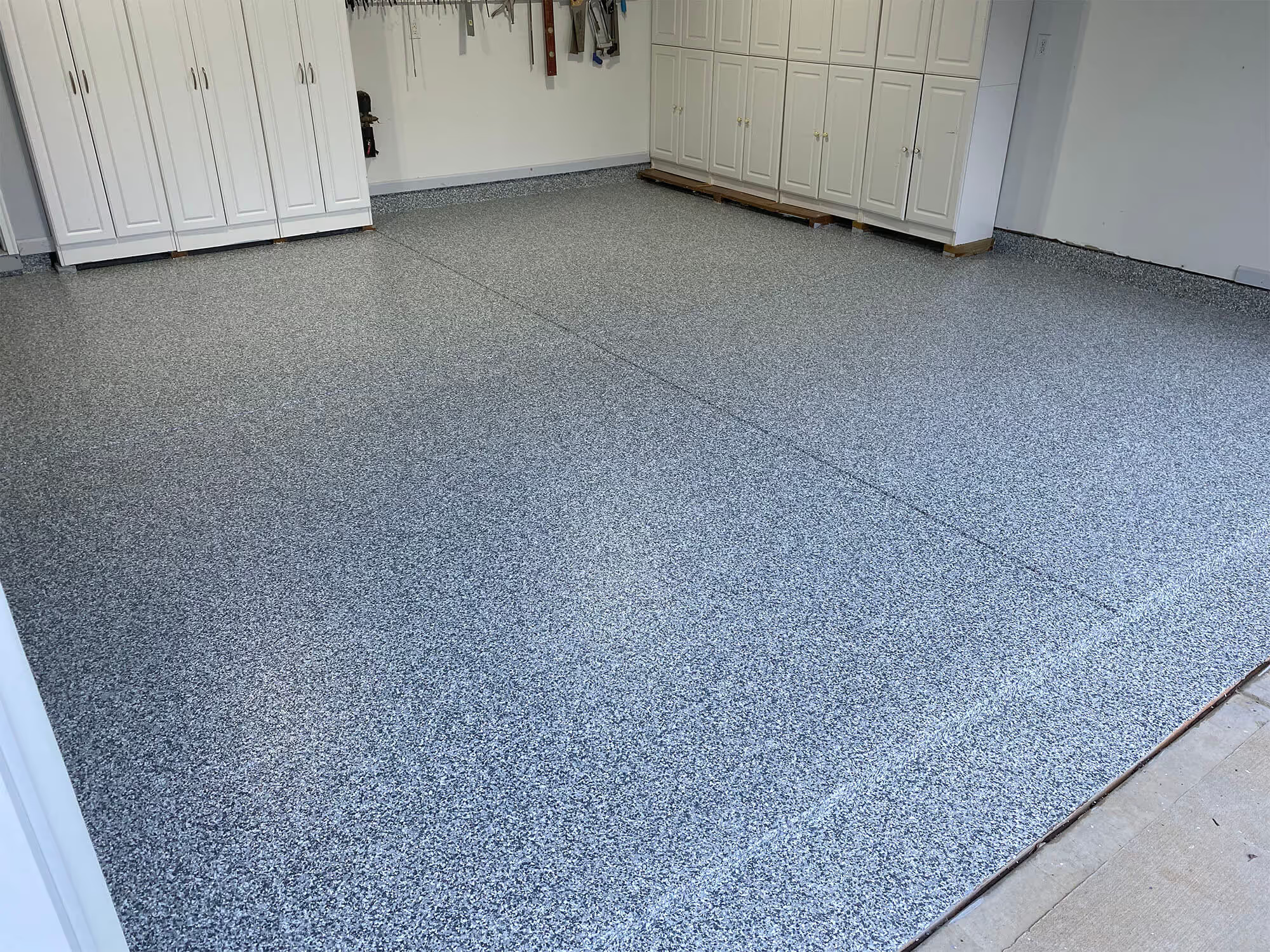
Titan's standard residential install uses both epoxy and polyaspartic across four layers because no single resin handles every job. The epoxy basecoat builds thickness, bonds to the prepped slab, and holds vinyl flake at full coverage. The polyaspartic topcoat seals everything against UV, chemicals, and hot tire damage. Polyurea isn't part of the residential install layer stack, but it shows up as the flexible crack-repair compound during prep.
Together, epoxy and polyaspartic deliver exceptional durability and performance that neither one can achieve on its own.
Frequently Asked Questions
Does polyurea or polyaspartic peel up under hot car tires?
Unlike standard DIY epoxy kits, a professionally installed polyaspartic topcoat will not peel under hot car tires. Hot tire pickup occurs when tires reach temperatures between 120 °F and 140 °F during summer drives, causing cheaper, slower-curing resins to soften and stick to the rubber. Because polyaspartic urethane cures into a highly cross-linked, thermally stable polymer, it maintains its bond and chemical integrity under extreme vehicle heat.
Is polyurea better than polyaspartic?
Polyaspartic and polyurea are closely related, with polyaspartic functioning as an aliphatic polyurea variant. Polyaspartic is generally better for residential garage floors because it is UV-stable, paintable, and reaches full cure in hours without specialized equipment. Pure aromatic polyurea is typically reserved for industrial floors where UV exposure isn't a factor.
Which coating lasts the longest?
A hybrid system using epoxy as the basecoat and polyaspartic as the UV-stable topcoat is more likely to outlast single-resin installs. In Charlotte residential conditions, the hybrid can carry manufacturer ratings and warranty terms in the 10- to 20-year range with proper prep. Pure epoxy without UV protection can yellow within five to ten years, and single-coat polyurea installs vary widely depending on the quality of the prep.
Find the Right Coating for Charlotte's Climate
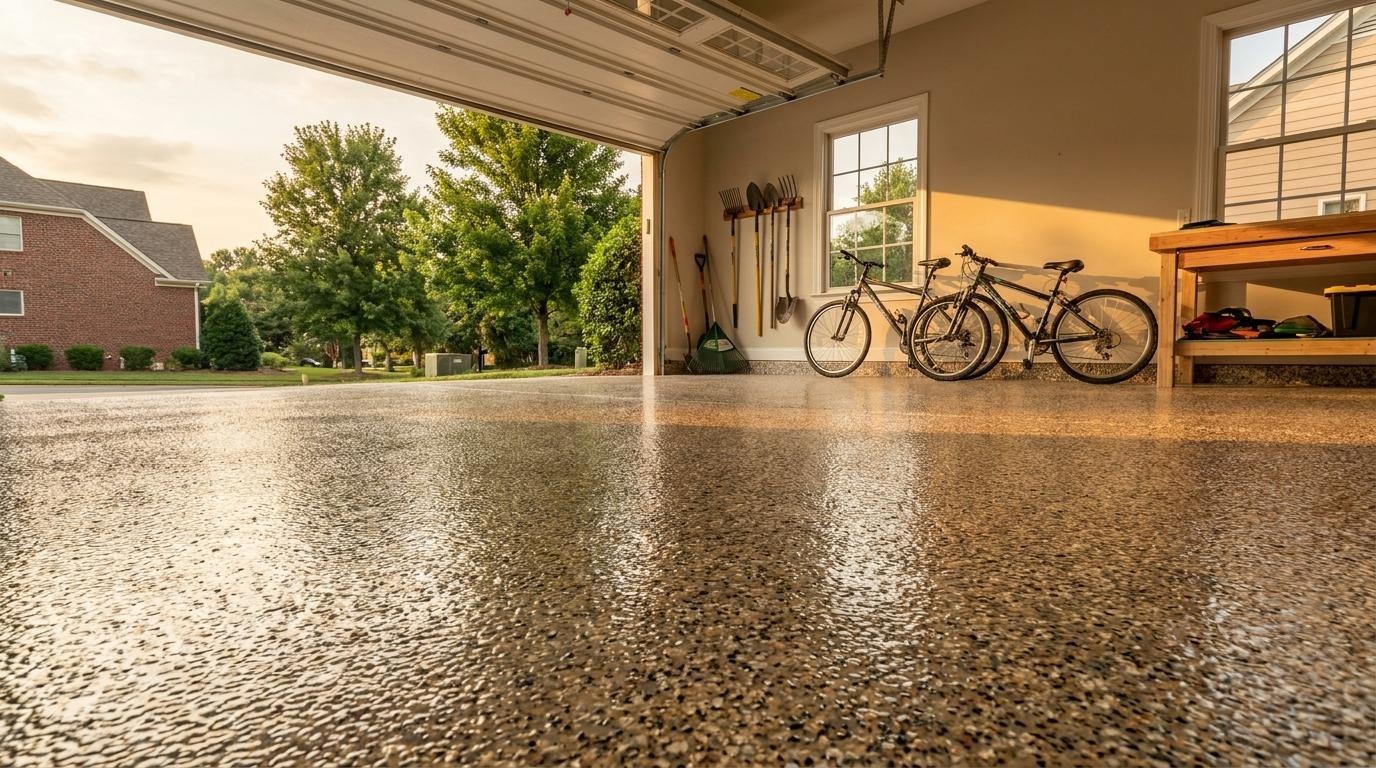
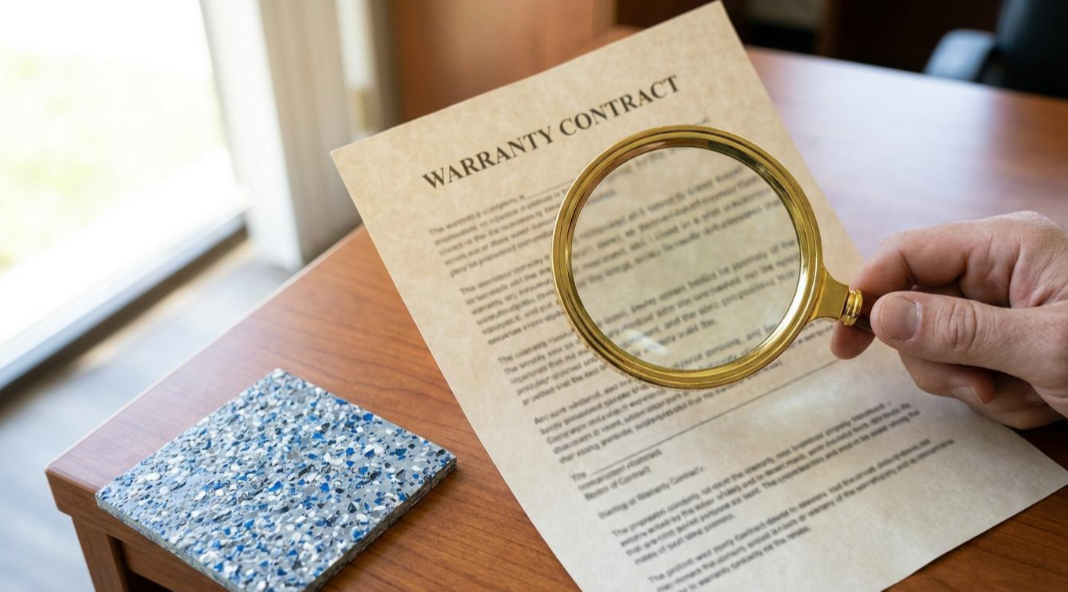
No single resin handles every job a Charlotte garage floor demands. UV, humidity, and hot tire heat each ask for a different chemical answer. The right system layers them so each resin works where it performs best. That's what Titan's four-layer install delivers, and what the 15-year warranty backs up.
For a Charlotte-area quote on a hybrid epoxy and polyaspartic system, request a Titan Garage Floors free estimate or call (910) 852-9266.